Design · 14 August 2026
Gordon Murray sketched his way through cancer treatment
The engineer brought a sketchpad rather than a book to chemotherapy. Drawing cars—and planning another company—gave four difficult months a working rhythm.
Published 14 August 2026 at 21:01 CEST
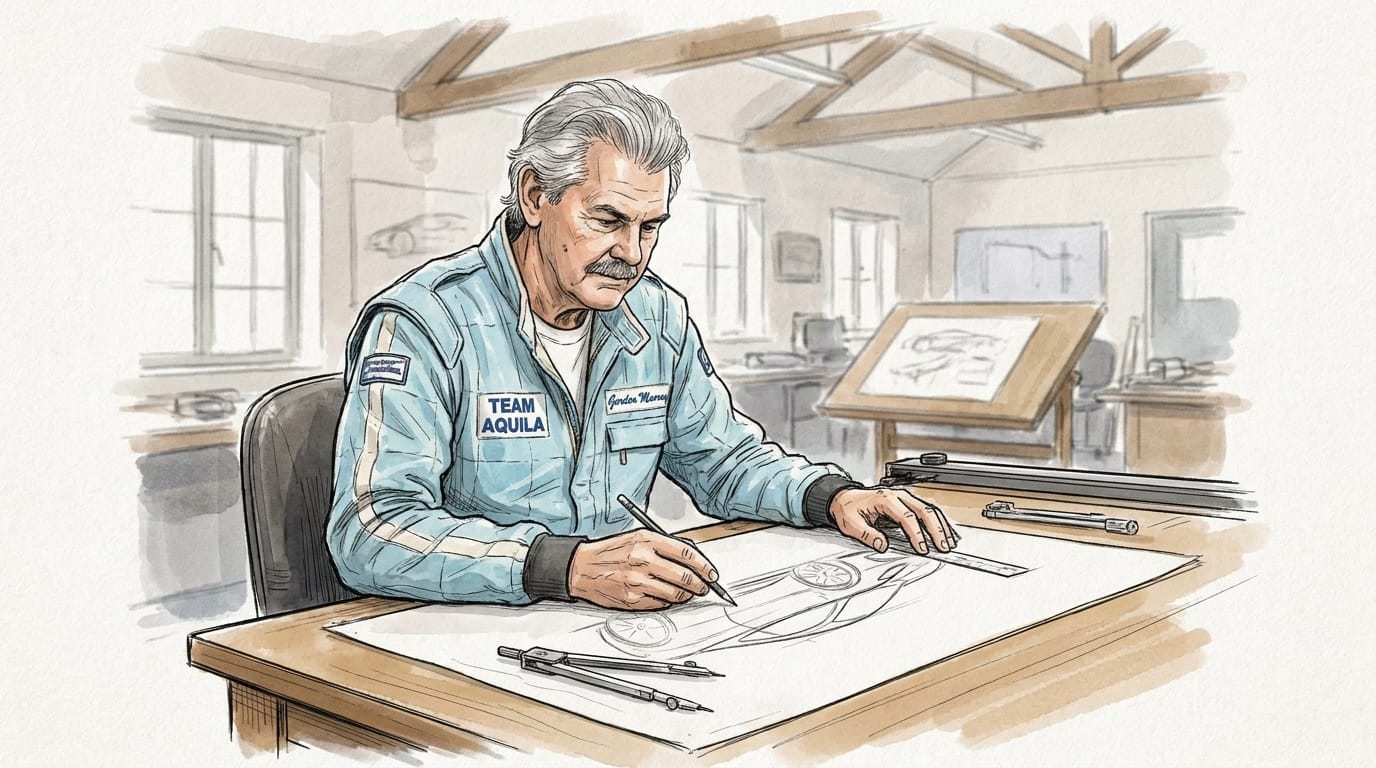
When patients settle into the chemotherapy chair, they are often told to bring a book. Gordon Murray brought a sketchpad and a ballpoint pen. He told Road & Track that he spent every session drawing, then carried on at home while administering more treatment.
This was not a neat tale of inspiration arriving on cue. Murray described the chemotherapy as terrible. The work did not remove that ordeal; it gave his attention somewhere else to go. Across four months, he sketched cars and thought through how to establish Gordon Murray Special Vehicles, including who should run it.
The drawing board
A coping mechanism made from familiar tools
Murray’s method is striking precisely because it sounds so ordinary. No grand new philosophy was required. He returned to the act he knew best: putting an idea on paper, testing its proportions and moving it towards a car.
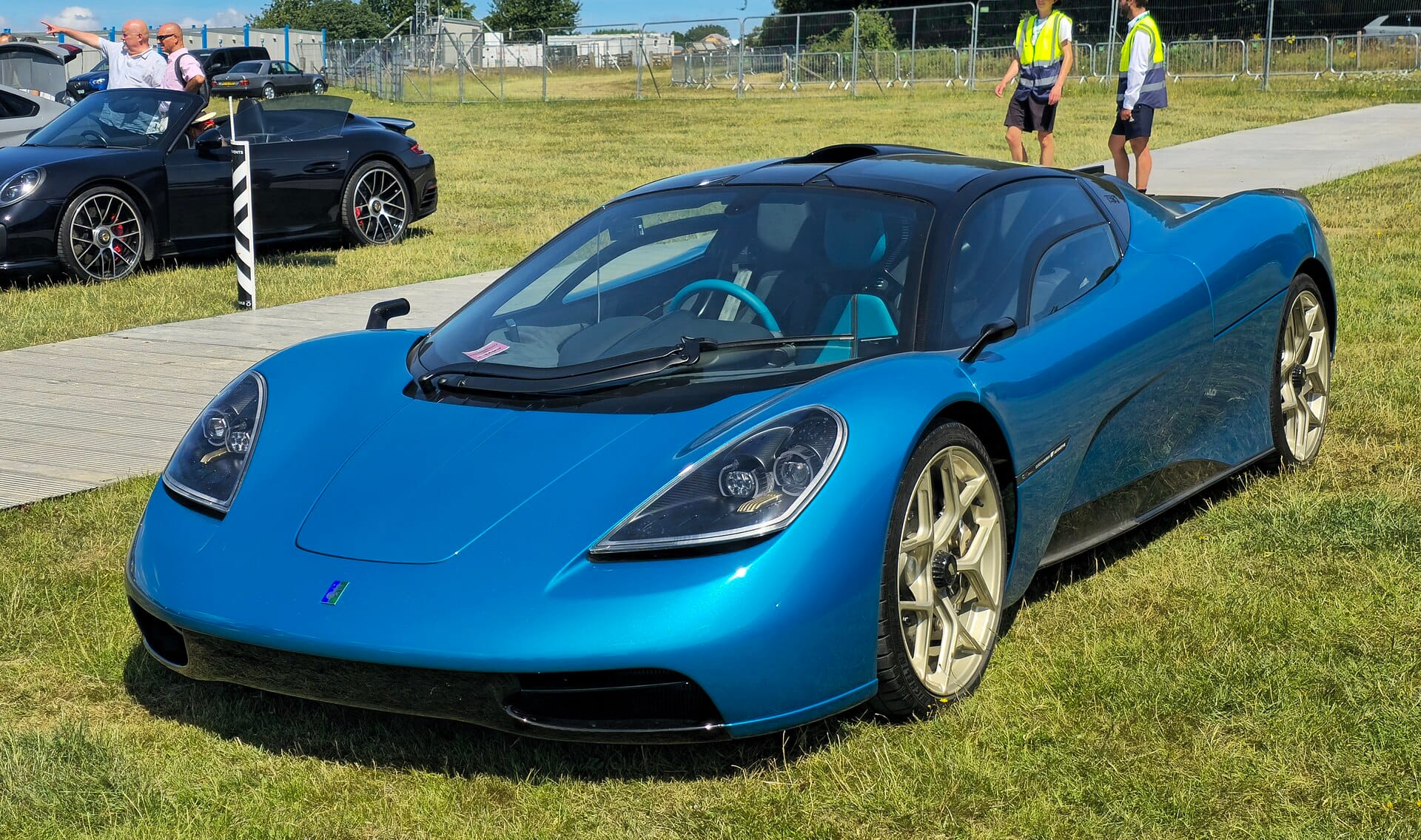
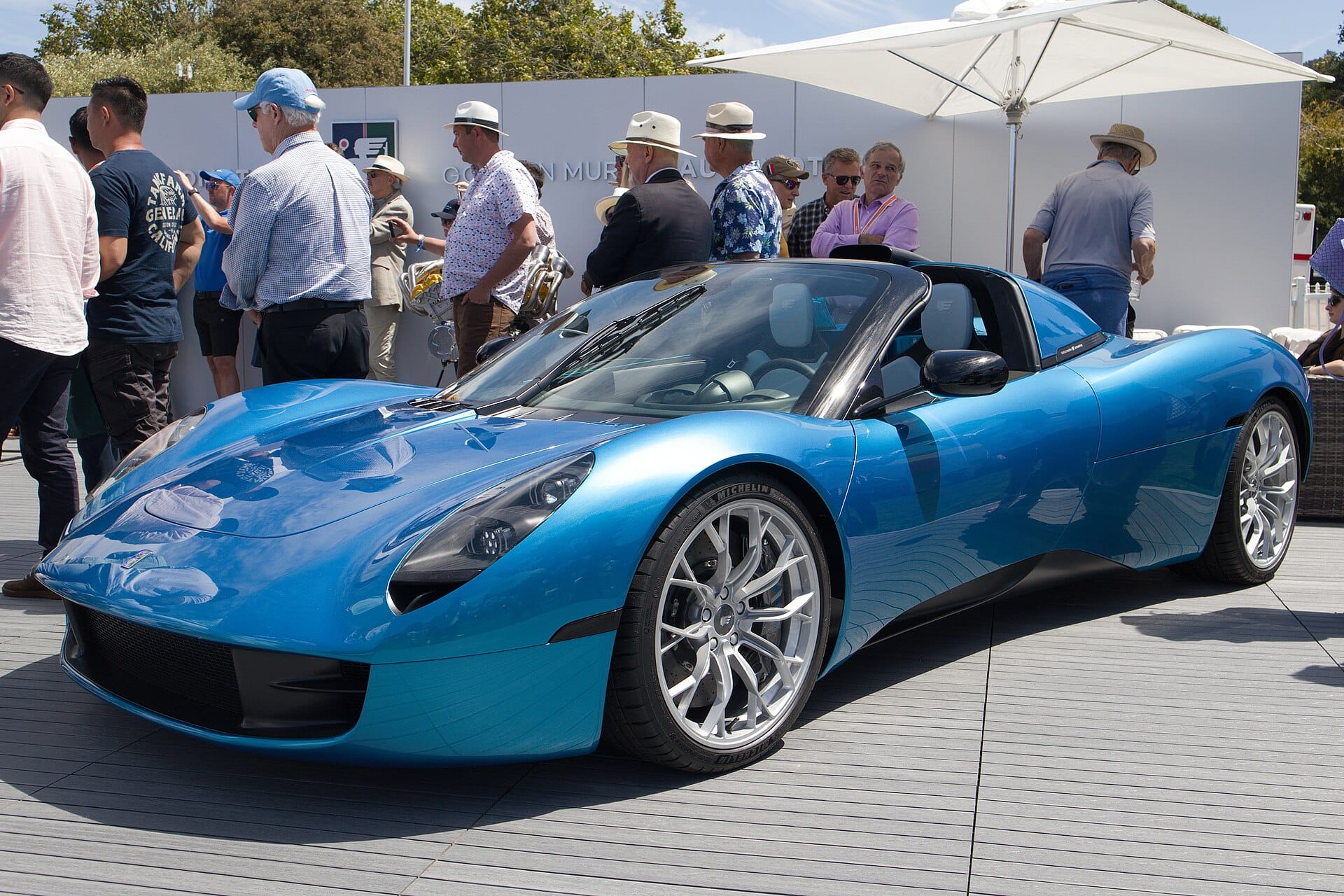
Gordon Murray Automotive already had the T.50 and T.33 in its orbit. The Special Vehicles division demanded a different kind of thought, Murray said, and that distinction gave him another problem to solve. The new S1, unveiled at Monterey Car Week in August 2026, turned that private concentration into a physical car and a public debut.
The distinction matters. Murray did not present design as medical treatment, and it should not be mistaken for one. He described it as psychological focus during treatment: something exacting enough to occupy him when passivity would have been harder.
“I took a sketch pad and a ballpoint and spent every single session [sketching].”
Gordon Murray, speaking to Road & Track
The short arc
From diagnosis to a new car division
This is the relevant sequence—not a clinical case history, but the line connecting illness, work and the car that followed.
Road & Track reports that a regular endoscopic check prompted Murray’s diagnosis. He chose chemotherapy before surgery.
Murray underwent robot-assisted keyhole surgery. HCA Healthcare UK says Professor Shaun Preston performed the operation at London Bridge Hospital.
Gordon Murray Special Vehicles presented the S1 at Monterey Car Week, as Murray explained how the project’s beginnings had helped him through treatment.
Still engineering
Recovery did not end the curiosity
Even Murray’s account of surgery bends back towards machinery. He told Road & Track that the robot-assisted procedure was less intrusive than the treatment his brother had faced for the same disease. Pleased with his own recovery, Murray said he bought a new surgical robot for the surgeon and remained fascinated by its technology.
That detail feels unmistakably his: gratitude expressed as engineering hardware, followed immediately by more questions about how it works. It also keeps this story on human scale. The supercar is not offered as a cure. It is the demanding object Murray knew how to think about when he needed a reason to keep thinking forward.
For a closer look at the machine that emerged from the new division, read our piece on Gordon Murray Special Vehicles S1.
“If you haven't got something to focus on, it's far, far worse.”
Gordon Murray, speaking to Road & Track